
I ate raw beef before it was cool
A story of wellness online circa 2014

Or maybe I just ate raw beef before Instagram evolved into the echo chamber of wellness charlatans that it is today, and spooning raw beef into your mouth will get people to watch for more than three seconds.
If you could possibly scroll back that far on my own feed, you would likely see a grainy, square-cropped photo of hashtag grass-fed beef dripping red on to a heart-shaped plate. I blended raw egg yolks into my coffee with Kerrygold butter and stared into my therapy light on dreary Pittsburgh mornings and I swung kettlebells back to back with burpees because it was functional and weight-lifting was… not functional?
Now, I see this stuff every day. Ten years later, I like fitness and nutrition more than ever. My algorithm feeds me all of my guilty pleasures that I hate myself for watching: What I eat in a day videos, the best glute exercises to build a “shelf,” videos of people eating 8,000 calories of Cheesecake Factory. I’m not proud, but it’s hard to look away. I also see more palatable content. Memes about the ultra marathoners’ freaky diet, women running across the city to eat a bagel, David Goggins-style narratives with a tender touch, a weed pen, and a mustache.
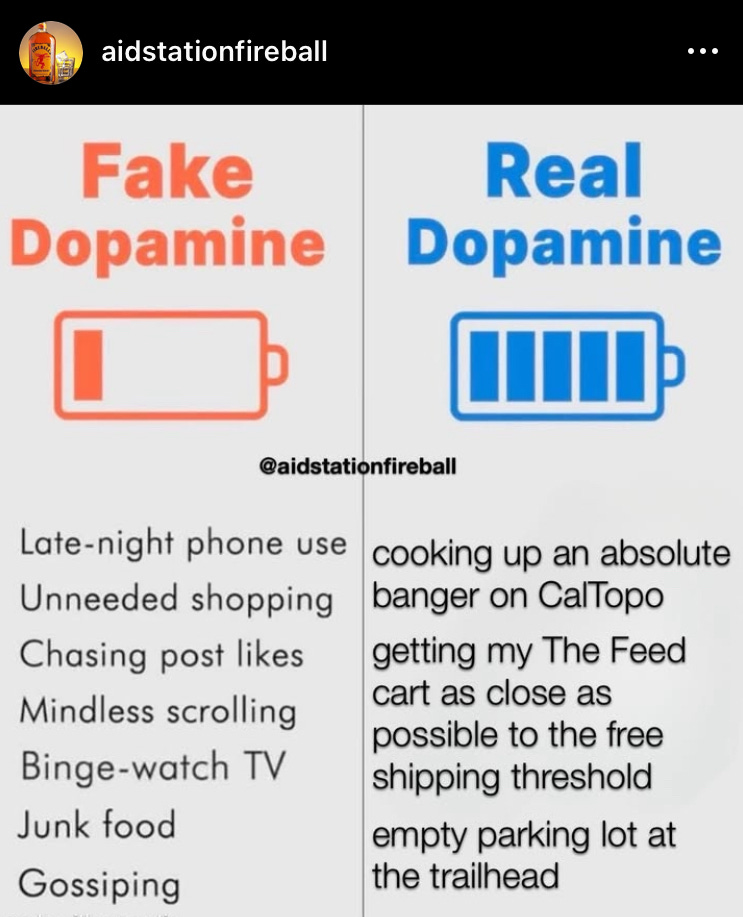
I was browsing a used book store on a walk a few weeks ago and saw this book called ‘Eat Bacon, Don’t Jog’ which felt like a time capsule. I realized that I bought it the week that it came out. Somehow, this narrative became the foundation of clean-eating influencers over a decade of rebranding the idea until it was more palatable, skinnier, and included a lot more Pilates (for cortisol levels and balancing hormones).
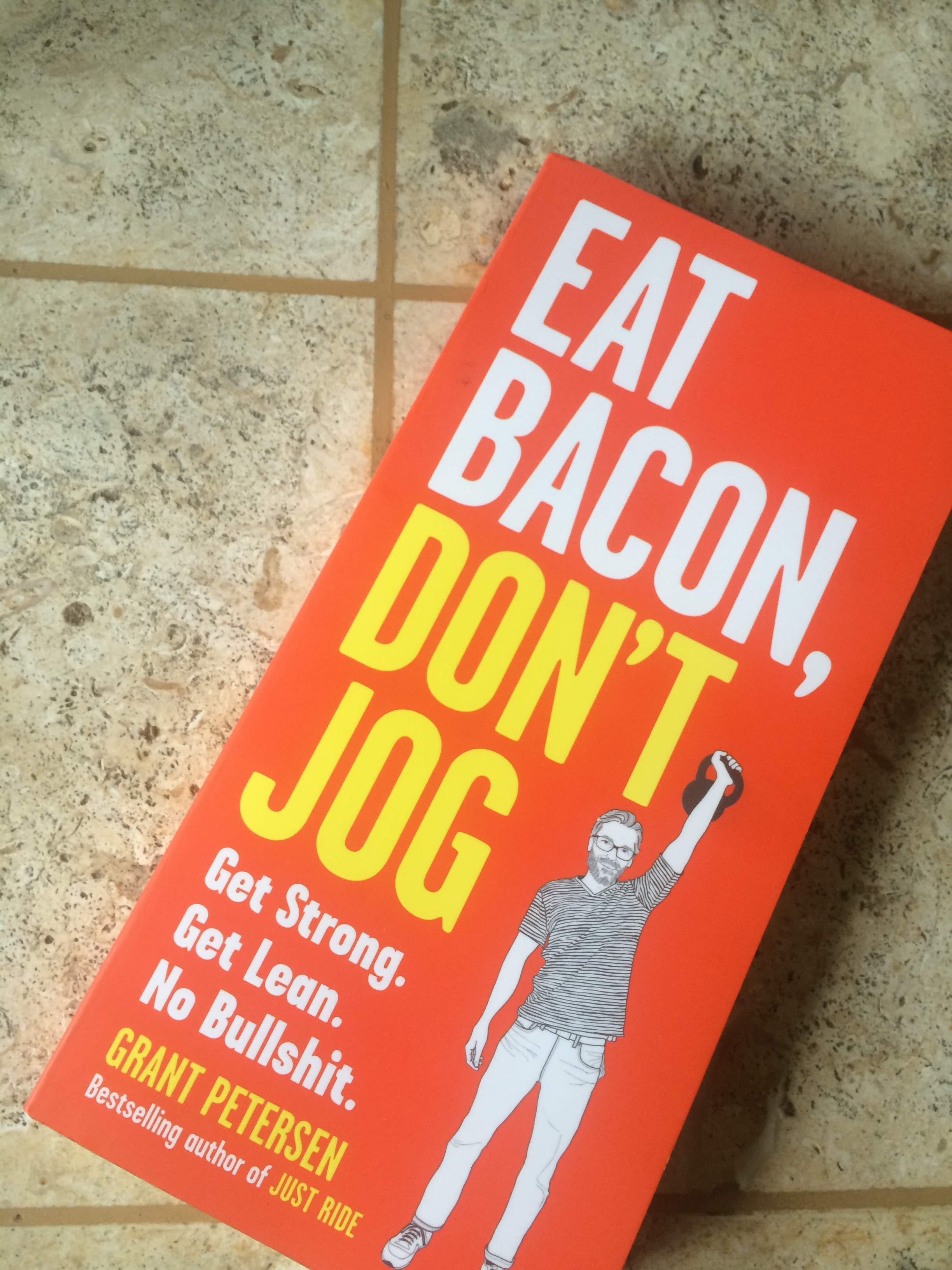
Like I mentioned earlier, my entire day-to-day, free time, and brain space are completely occupied by health, wellness, fitness, and nutrition. It’s like, I’m even kind of rebranding my dead Substack so I can be a wellness skeptic and wax poetic about working out. My training schedule is in a calendar with heart rate targets. I meticulously keep track of every mile and weight lifted. I monitor my silly little recovery metrics like a hawk. Garmin and I are tight, and if you know Garmin, you know it’s hard to stay on its good side. I am in bed by 8:30 p.m., I drink my electrolytes and take my creatine, I’ve eaten 150 grams of protein a day for years, and I never drink alcohol. I haven’t thought about cortisol since my early 20s.
In 2013, I went to therapy because I was anorexic. My therapist gave me permission to eat food and I started eating food. I went to the grocery store and spent $600 on organic vegetables and gourmet chocolates and everything I ever wanted. It was luxurious. During the year leading up to this grocery shopping trip, I would go to the store every single day and walk the aisles for an hour or two after spending the hour prior on the elliptical. I wouldn’t buy anything. I’d just look at the food, memorize the nutrition labels, then try on clothes to make sure I was still the smallest size.
With permission to eat and actually eating the food, I had to channel the obsession with eating as little as possible (a very energy-intensive task) into something, and the comfortable thing was still food, but I had to make it different. This is a common recovery story and what I experienced is now called orthorexia, but I didn’t know it at the time (did that exist at the time?). All of that is to say I discovered the paleo diet and the next few years would be defined by the world ancestral except I also smoked cigarettes and drank PBR and binge ate because I was twenty-one years old and rather hungry.
I was reading Mark Sisson’s blog and wrapping steak from the local butcher in bacon from the local butcher in my apartment when I discovered an app for paleo eaters. It was like Instagram but a food journal for those of us who had seen the light of not eating beans and rice. I downloaded it and began sharing with enthusiasm, and I’m sure great detail and care to take aesthetic photos. I have been chronically online since I was ten and have yet to master the art of being even slightly mysterious.
Within a few weeks, the founder of the app asked to chat on Skype and I agreed. His native tongue was French and he liked the way I wrote, so he asked me for my voice. Despite having just started living the “paleo way,” he assumed I was well-versed. As always, I dedicated myself to the lifestyle quickly and began evangelizing zealously.
Over the next four years, we grew the app and the community with several blogs, paid products, a weekly newsletter, Facebook groups, and marketing cycles. I was thrown into this small team in my early 20s with no relevant professional experience or understanding of how a job even really worked outside of a coffee shop or a library. I was the face of the brand, filming videos of myself cooking and chatting in the house I dog-sat in with a purple pixie cut and a fabulous collection of vintage dresses.
Every night, I woke up and walked to the gas station and ate thousands of calories of snack cakes and candy in a fugue state after a day of making sweet potato brownies with coconut flour and rendering my own beef tallow. Every morning, I would log on and tell people how to heal their autoimmune disease by avoiding nightshades.
Eventually, my bosses paid for me to get my Nutritional Therapy Association certification which, at the time, was highly esteemed in the paleo community. I’d be curious to study the material now that my ideas have evolved so much. While the course has value, the cherry-picking of studies to affirm the biases of eating the diet of cavemen is apparent to me now.
Now, nutritionists, coaches, and self-proclaimed “experts” with an online certification under their belt are a dime a dozen with this model of education having grown exponentially since then. Even the legitimately accredited registered dietitians of Instagram are in the weeds with the “gut-loving” recipes and “hormone healing” workout routines. I get it though — being a successful influencer pays more than meal planning for elderly people concerned with bone mineral density.
As the brand and idea flourished, I was writing tons of content about nutrition. I was coaching dozens of people in our challenge cycles, the guiding light in an elimination diet that I was sure could help people restore the good bacteria in their microbiome, lower inflammation, and help them to lose weight.
The thing is, it works well for a lot of people. I could go way back in my inbox to the exchanges I had with the people I was coaching. While I did a lot of bad research to write articles about how vitamin A is associated with reducing the risk of cancer, I loved what I was doing because I loved the people.
I did weekly challenge check-ins with each member of the group — 20, 30, 50 people. Some people chatted back and forth for a while and others were in the group just to follow the meal plan and get accountable (and the product itself was good). Some days, I’d open my inbox and be floored by the kindness and transformation I saw in people. There was one woman in particular who I will never forget. I saw her change her life from afar, she was incredibly grateful for my help, and I spent hours deep diving with her to guide her as best as I knew how.
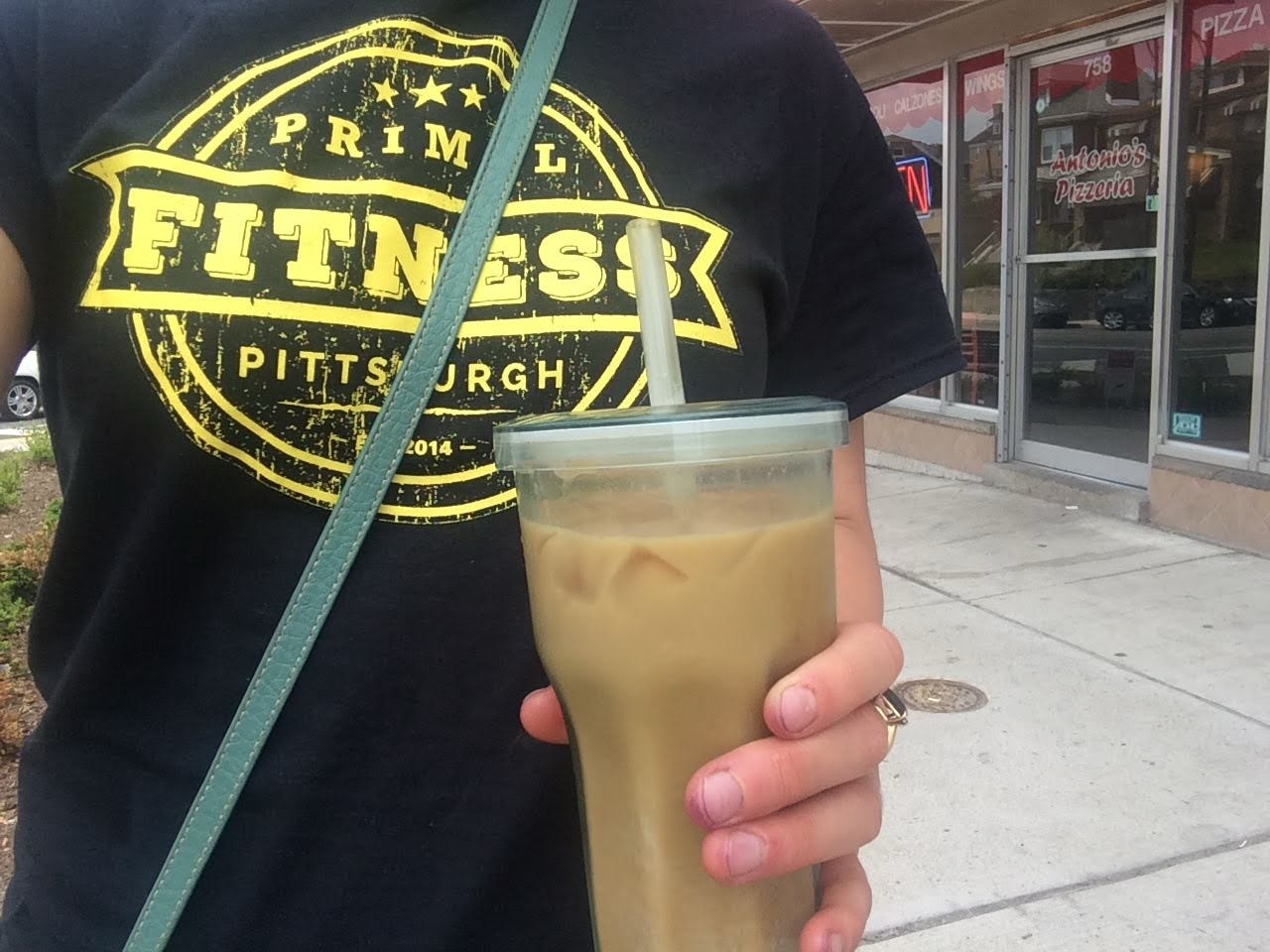
The week my father passed away, I woke up to a 20-pound box of grass-fed beef on my door step. She sent me an Instant Pot as a Christmas gift once. She made sure I was doing okay. This woman in the Midwest who I’d never met took care of me, and I took care of her. Without having any insight yet into the ethical gray area I was operating in as a “coach,” there was a very real thing happening regardless and I felt like I was doing good work.
In retrospect, I see all the flaws. I decided I had recovered from an eating disorder and fabricated the success story of doing so very prematurely which became an integral part of the brand. “Paleo healed me, and it could heal you too.” I just parroted what I saw other people saying with my own spin on the story, and I wanted to believe it. Can you blame me? I was desperate to eat like a normal person who did not devour a jar of peanut butter every night at 3 a.m. and cry with a bellyache all morning.
It has been difficult to be discerning of information on the internet since its inception, and that endeavor is a million times more convoluted ten years later. If you give everyone a platform, anyone who does something they believe in can try to give it away to you too (for a fee). There is a little proselytizer in us all, especially those of us who are compelled by passion and dedicating ourselves to a cause.
Ten years later, my day-to-day looks very different. I left my remote work to pursue trail work instead which is easier because I feel no moral qualms about going to build retaining walls, and drainage is objective. In some ways, I am exactly the same. My Spotify feed is made up of podcasts about nutrition, fitness, and health. I stay up-to-date on the science and I adjust my diet and training based on the consensus. I find an idea and I run with it, holding on for dear life, hoping that it sticks. It’s not casual.
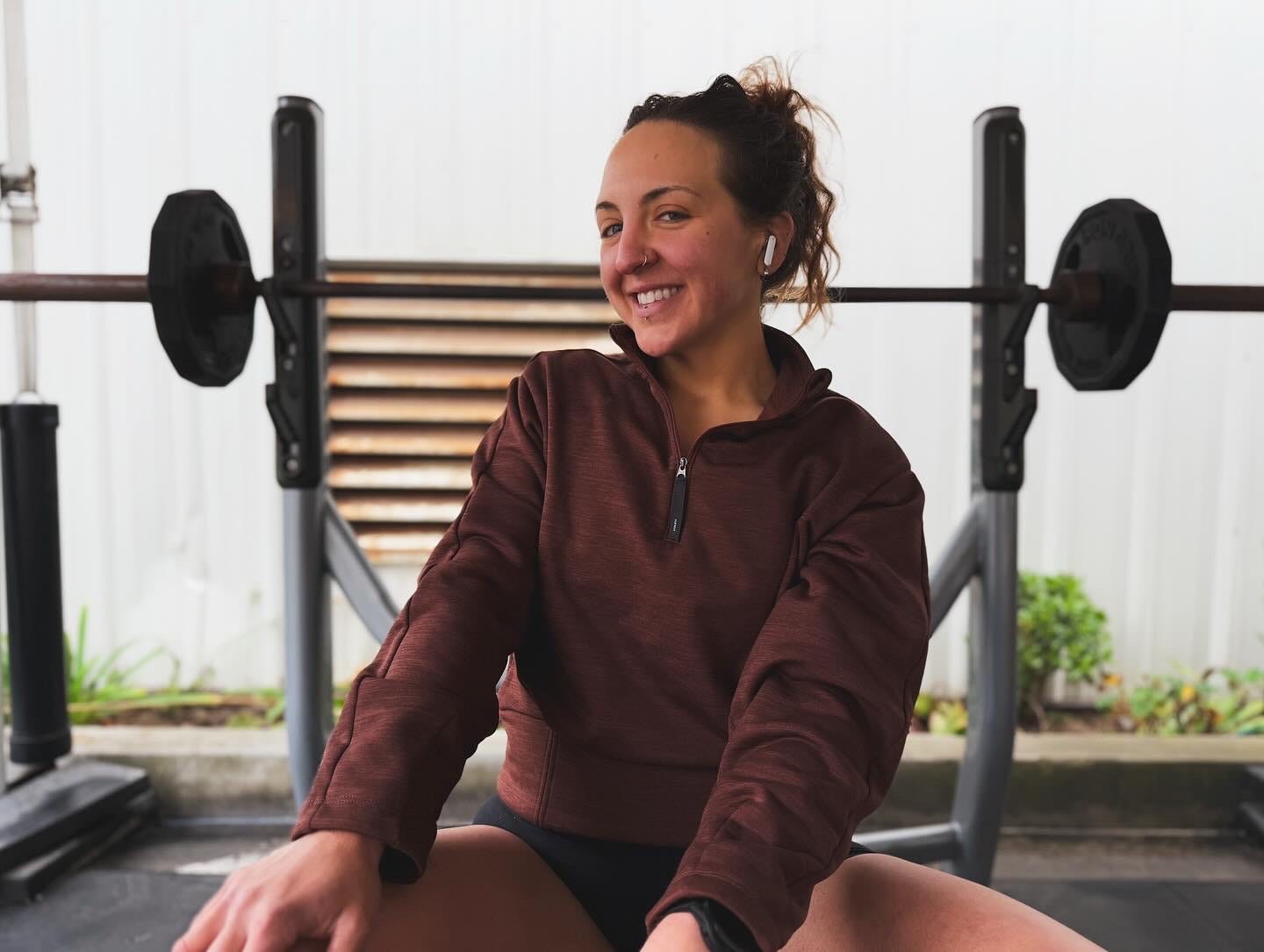
I see some of the people who existed within the paleosphere at the time still online. Perhaps they’re still developing recipes, writing cookbooks, and posting on the same Instagram accounts. You could scroll far enough back to see the time capsule that is 2014 hashtag real food content on their pages too (in higher definition than on my own page). Most of these people seem to have come around in similar ways, rebranding and broadening their scope over time.
For some, I imagine the death or evolution of paleo (to carnivore, to keto, to animal-based, to gut health) was too hard a shift to survive, especially if they were selling the idea and themselves with such conviction. Without even taking into consideration the way the audience would react, it is hard to admit not that we were wrong, but that we are going to change now and will you come with us? Like leaving the church, the bigger your commitment, the higher the stakes are. Some of the people you are leaving behind with the big idea are more unwavering than ever, and you are the enemy.
I wonder about how those people calculated changes while ensuring they continued to make money. I wonder if the modern-day crusaders against vegetable oils know that they will change because their worlds will expand when they touch grass or have a baby or take a dose of mushrooms and eat fruit off of a tree.
These are the threats of absorbing something you believe in as your identity and putting it on the internet. Plus, I’m specifically referencing dietary preferences, and absorbing your diet as identity is boring. I understand diet can transform health thus transforming a person. Having agency over what we put into our bodies in the developed world feels good, and sometimes, a framework for what that looks like has its benefits.
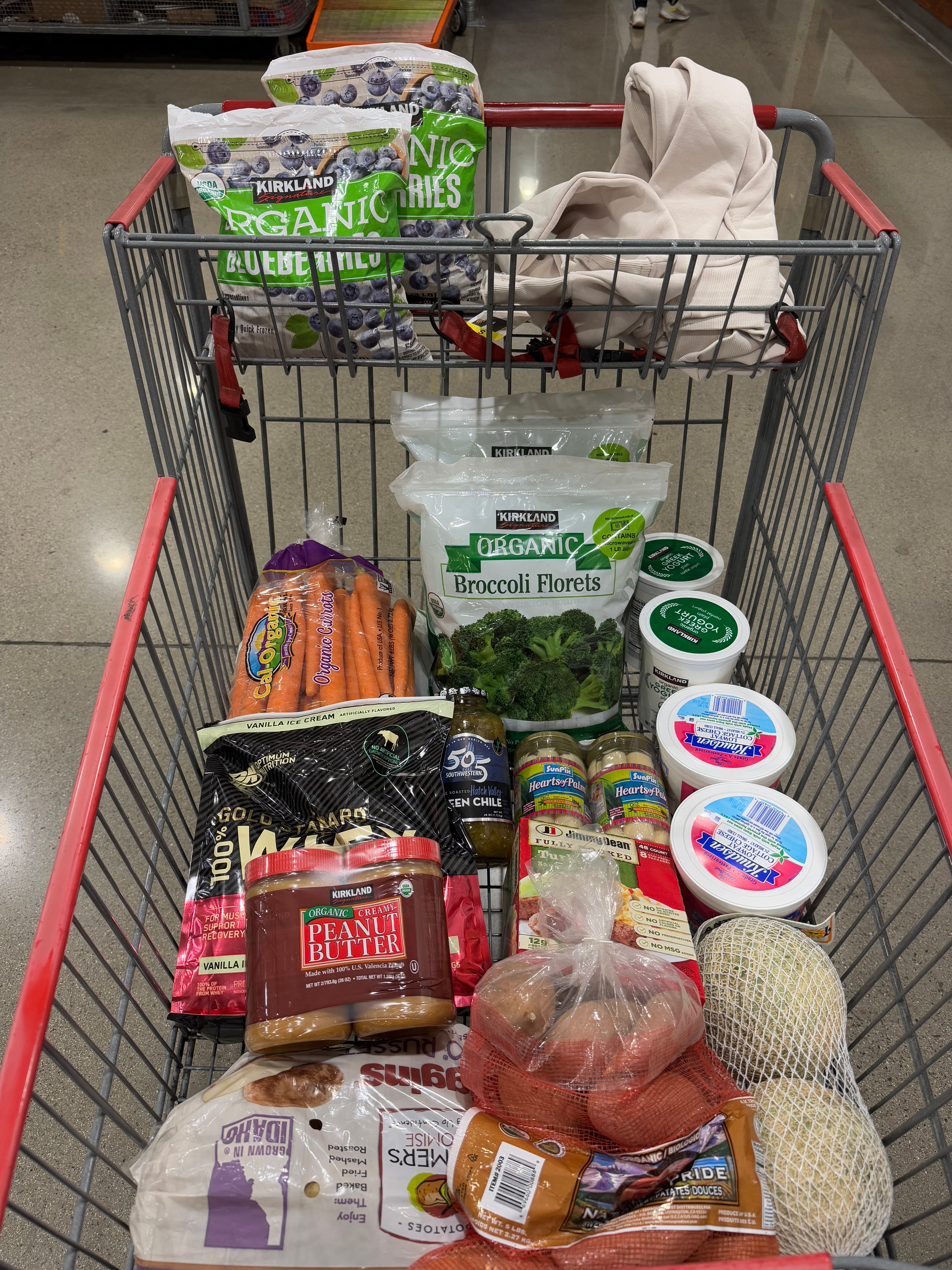
I told a story that I wished were true so I could sell the story, and it led me down a pretty serious shame spiral. My time spent writing and coaching probably impeded my ability to actually recover from an eating disorder significantly because I never reached the part of recovery where you don’t think about food every waking second of the day. To this day, it’s the first thing I notice when I start to slide: the preoccupation.
I like to think I am less naive, I know I am a better critical thinker, but I am still seeking salvation in wellness. Most days, I think I’ve found it. Some days, I resent it. I fight the urge to try to give it to others because it feels like I’ll find out I was wrong.
Just got word a new dogleg diaries in coming out, can’t wait